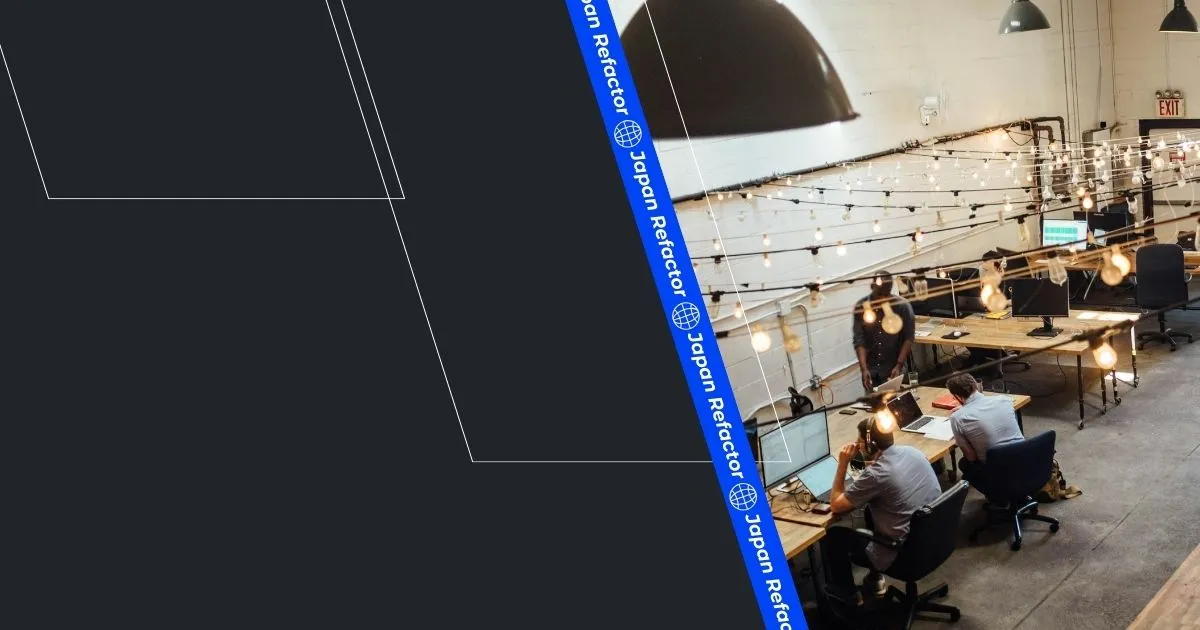

One of the biggest culture shocks many foreign engineers face when working for a Traditional Japanese Company (JTC) is the “Open Office Dogma”—a massive, partition-less floor where everyone is packed together amidst the constant ringing of phones and the rhythmic thud of “Hanko” stamps.
If you want to achieve peak performance in Japan, you must first secure time away from the office, where “coordination and meetings” dominate the day. Even if full remote work is a challenge, it is worth negotiating to use satellite offices or some of the incredible best coworking space Tokyo locations to reclaim an environment where you can actually focus.
Why the JTC Open Office is an Engineer’s Worst Enemy
The most valuable state in software development and technical decision-making is entering “Flow” (Deep Work). However, the standard JTC office environment is practically designed to destroy that flow. This is exactly why investing in your own environment by finding the best coworking space Tokyo can save your career.
The Real Cost of JTC Open Office Culture for Engineers
Many Japanese companies adopt the “island-style” desk layout—massive clusters of desks with zero partitions—under the guise of “stimulating communication.”
Back when I was in a JTC, I was often forced to scrutinize massive technical documents and logs from suppliers while the colleague next to me was shouting apologies over the phone to another department. Even if you aren’t writing code every second, you need extreme concentration to judge the validity of specifications or identify the root cause of complex bugs. The true benefit of remote work Japan isn’t just avoiding the morning rush hour; it’s escaping this “uncontrollable noise.”
Hidden Distractions in the Japanese Open Office That Kill Engineer Productivity
Beyond the noise, there are “invisible traps” in JTC offices that drain an engineer’s cognitive load:
- The “Got a minute?” Culture: Because you are physically close, people will tap your shoulder for things that could have been handled on Slack, constantly interrupting your train of thought.
- The “Paper and Hanko” Relay: You end up spending more mental energy on people wandering around with mysterious approval documents (Ringi) than on actual technical reviews.
- Delayed Decision Making: In an overly open space, “Nemawashi” (behind-the-scenes consensus building) becomes a constant necessity to avoid public friction, hindering direct and productive discussion.
Best Coworking Spaces in Tokyo for Remote Engineers
Tokyo offers world-class workspace solutions. High-speed, secure networks, ergonomic chairs, and—most importantly—silence. Day passes at the best coworking space Tokyo locations typically range from ¥2,000 to ¥4,000, making them accessible even for occasional deep-work sessions. Here are the top-tier providers to help you escape the rigid JTC atmosphere.
WeWork & Spaces Tokyo: English-Friendly Coworking for Foreign Engineers
If you refuse to compromise on quality or require English-language support, global giants are your best bet.
- WeWork (Roppongi, Shibuya, Marunouchi, etc.): Located in Tokyo’s prime districts. The high-end design and community of IT professionals provide the perfect stimulus, diametrically opposed to old-school JTC culture.
- Regus / Spaces (Shinagawa, Shinjuku, etc.): Slightly more formal than WeWork. Ideal for senior engineers who need to hold professional video calls with suppliers or quietly architect technical strategies.
.andwork Tokyo: Hotel-Style Coworking with High-Speed Wi-Fi
A trend gaining massive support among devs in Tokyo is the fusion of lifestyle hotels and workspaces. A prime example is .andwork, integrated into millennial-focused hotels.
The Benefits: Along with high-quality Wi-Fi, you get access to nap services, showers, and even free beer during happy hour—luxuries unthinkable in a JTC office. These hubs attract digital nomads of all nationalities, making them perfect for regaining a global perspective.
If you’re looking to combine your stay with a high-end workspace, you can find and book these tech-friendly hotels throughBooking.com orAgoda to ensure your next sprint is as comfortable as possible.
Tokyo Cafes to Work From: Quick Sprints Outside the JTC Office
You don’t always need to hole up for a full day. For 2-3 hour sprints of concentrated study or coding, utilize the city’s vast array of tokyo cafes to work from.
Developer’s Checklist: Power Outlets & Wi-Fi for Tokyo Work Cafes
Here is an engineer’s checklist for picking the right spot among the many tokyo cafes to work from:
- Availability of Outlets: Starbucks and Tully’s Coffee counter seats are reliable staples.
- Dedicated Free Wi-Fi: If security is a concern, ensure you have your own tethering or a VPN ready.
- Desk Space: Can you fit a 16-inch laptop plus extra references (like those thick JTC specification manuals)?
Best Areas for Remote Work in Tokyo: Shibuya, Roppongi, Akihabara
- Shibuya: The mecca for IT startups. Cafes in large commercial complexes are exceptionally well-equipped with power outlets for nomads.
- Minato / Roppongi: An area with many foreign firms. Hotel lounges here offer high hospitality and the silence needed for reviewing sensitive documents. (For more on living and working in these areas, check out “Japan Tech Hubs 2026“).
- Akihabara: The geek district. Coffee shops like Renoir are secret weapons, often featuring high-speed Wi-Fi and power outlets at every seat.
Conclusion: Control Your Work Environment, Accelerate Your Career in Japan
Wasting your energy on “coordination tasks” in a noisy JTC office can stagnate your value as an engineer. By mastering external workspaces and learning to control your own environment, your career in remote work Japan will become more liberated and robust. For many developers, finding the best coworking space Tokyo has to offer is a key step toward building a sustainable remote work Japan lifestyle.
Action Step: Try a Tokyo Coworking Space Day Pass Tomorrow
A change in environment leads to a change in thinking. If you are “secretly” reading this in a JTC office right now, try to step out tomorrow—whether through remote work, a site visit, or even taking a day off. Experience true Deep Work at a premium coworking space.
This article is a sub-module of Layer 3. To master the complete career optimization protocol or explore the entire blueprint, choose your next destination:
🔼 Back to Layer 3: Career Strategy & Hacking Seniority (Return to the module overview: Salary Negotiation, Visa Hacks, and Promotion Logic)
🏠 Return to The Engineer’s Blueprint: Decoding Japanese Workplace Culture (Access the Master Manual including Genba Communication, Tech Specs, and Business Etiquette)
📥 DOWNLOAD IT FOR FREE